
Organize Your Kitchen Cabinets Like a Pro
- Nov 8, 2025
- 4 min read
Organizing your kitchen cabinets can feel overwhelming. But with a little guidance and a clear plan, you can transform cluttered shelves into a calm, functional space. I’m here to walk you through simple steps that make a big difference. Together, we’ll create a kitchen that feels welcoming and easy to use every day.
Why Kitchen Cabinet Organization Matters
When your kitchen cabinets are organized, cooking and cleaning become easier. You save time because you know exactly where everything is. You reduce stress because clutter doesn’t take over your space. Plus, an organized kitchen looks inviting and helps you maintain a tidy home.
Think about the last time you searched for a spice or a baking pan. Frustrating, right? That’s why investing time in kitchen cabinet organization pays off. It’s not just about neatness; it’s about creating a space that supports your daily life.

Steps to Achieve Effective Kitchen Cabinet Organization
Let’s break down the process into manageable steps. You don’t have to do everything at once. Take your time and enjoy the progress.
1. Empty Your Cabinets Completely
Start fresh by removing everything from your cabinets. This gives you a clear view of what you have and what you need. It also allows you to clean the shelves thoroughly.
As you empty, sort items into categories: keep, donate, or toss. Be honest about what you really use. Expired spices, chipped dishes, or duplicate gadgets can go.
2. Group Similar Items Together
Once your cabinets are empty, group items by type. For example:
Baking supplies (flour, sugar, baking powder)
Cooking oils and vinegars
Pots and pans
Plates and bowls
Glasses and mugs
Snacks and canned goods
Grouping helps you see how much space each category needs. It also makes it easier to find things later.
3. Use Storage Solutions That Maximize Space
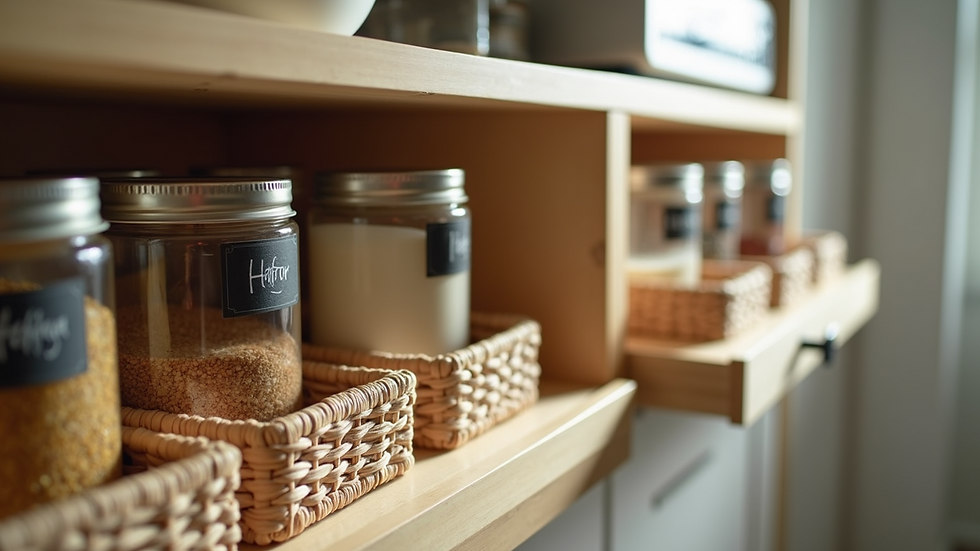
Invest in organizers like shelf risers, pull-out baskets, and clear containers. These tools help you use every inch of your cabinets efficiently.
For example, shelf risers double your vertical space by allowing you to stack plates or cups without crushing them. Pull-out baskets make it easy to reach items at the back of deep cabinets.
Clear containers keep pantry items visible and fresh. Label them for quick identification.
4. Place Everyday Items Within Easy Reach
Keep the things you use most often in the most accessible spots. This might be the lower shelves or the cabinets closest to your cooking area.
Less frequently used items, like holiday dishes or specialty appliances, can go higher up or in harder-to-reach cabinets.
5. Maintain Your Organized Cabinets Regularly
Organization is an ongoing process. Set a reminder to tidy your cabinets every few months. This helps prevent clutter from creeping back in.
A quick check also lets you spot expired food or broken items before they become a problem.
Kitchen Cabinet Organization: Tips for a Smooth Process
Here are some friendly tips to keep your kitchen cabinet organization journey smooth and enjoyable:
Take breaks if you feel overwhelmed. Organizing is a marathon, not a sprint.
Use baskets or bins inside cabinets to corral small items like spice packets or snack bags.
Rotate pantry items so older products get used first.
Keep a donation box nearby to quickly remove items you no longer need.
Personalize your system to fit your cooking style and habits.
Remember, the goal is a kitchen that works for you, not a perfect Pinterest photo.
How do you decide where to put things in kitchen cabinets?
Deciding where to place items in your kitchen cabinets depends on how you use your kitchen. Think about your cooking flow and daily routines.
Zone your kitchen by activity. For example, keep pots, pans, and cooking utensils near the stove. Store plates and glasses near the dishwasher or sink for easy unloading.
Consider frequency of use. Items you use daily should be easy to reach. Seasonal or rarely used items can be stored higher or in less accessible spots.
Group by size and shape. Stack plates and bowls neatly. Store tall items like cutting boards vertically to save space.
Safety first. Keep heavy items on lower shelves to avoid accidents.
By organizing your cabinets with these principles, you create a kitchen that feels natural and efficient.
How to Organize Kitchen Cabinets Like a Pro
If you want expert help, consider professional organizing services. They bring experience and customized solutions to your home. You can learn more about how to organize kitchen cabinets with personalized support.
Professional organizers help you:
Maximize your space with smart storage ideas
Declutter without stress
Create systems that last
They also provide encouragement and accountability, making the process easier and more enjoyable.
Keep Your Kitchen Cabinets Organized for the Long Term
Once your kitchen cabinets are organized, keeping them that way is the next step. Here are some habits to adopt:
Put things back immediately after use.
Regularly check expiration dates and toss old food.
Adjust your system as your needs change.
Involve family members in maintaining order.
With these habits, your kitchen will stay a calm, functional space that supports your lifestyle.
Organizing your kitchen cabinets is a gift to yourself. It creates a space where cooking is a joy and your home feels peaceful. Take it one step at a time, and enjoy the transformation.


Comments